Published
26/04/2019
Words
Bronwyn Marshall
Photography

Through an analysis of patterns of Australian residential typologies and increased density, Austin Maynard’s HOUSE House shows ingenuity in rethinking restrictive site amenity.

Completed in 2012, the principles behind HOUSE House remain very much prevalent and worthy of further discussion. Driven from a place of wanting to improve the responses to issues surrounding increased density and desire for larger outdoor areas, Austin Maynard Architects wanted to dismantle the thinking and driving philosophies that led to Australia current urban sprawl. Traditionally, inner (or near) city dwelling involved a compromise of outdoor space, in place of proximity to amenity and a richer, more diverse community fabric. The converse trade-off is that suburbia offered the opportunity for people to expand their horizons (in some cases literally) through larger site sizes and access to outdoor space. HOUSE House seeks to challenge all of this.

Melbourne, Vic, Australia
We Explore Austin Maynard Architects’ House House, Where Twin Original Victorian Terraces Are Connected Through A Three Story Volume To Its
The addition to the rear, similar to the vein running through most of Austin Maynard Architect’s work, is a sense of joviality and not taking itself too seriously.
250327 Aus Rr Digitalbanners 1000x1400
Short Feature House House, Austin Maynard Architects
Image 35@2x
Image 35@2x
House House Is The Result Of Dismantling The Australian Residential Typology And Analysing How People Ultimately Live
The shapes also reference the encouraged dialogue within urban spaces and street artists alike.
We Explore How Austin Maynard Architects Maximise The Site Amenity, Through Connecting Twin Victorian Terrace Homes Through A Three Story Vo

Essentially an extension to a set of Victorian terrace homes in Melbourne, the added volume fulfils a number of roles. Firstly, it connects the two terrace homes (both owned by the same family) vertically. Secondly, it opens up access between the two properties, as a consequence doubling the outdoor area available to both. The result is one architectural response that allows for an altered perspective on increasing density, while avoiding the departure from a richly diverse community.

Image 35@2x
Driven From A Place Of Wanting To Improve The Responses To Issues Surrounding Increased Density And Desire For Larger Outdoor Areas
250327 Aus Rr Digitalbanners 1000x1400
The result is one architectural response that allows for an altered perspective on increasing density, while avoiding the departure from living within a richly diverse community.
Austin Maynard Architects Wanted To Dismantle The Thinking And Driving Philosophies That Led To Australia Current Urban Sprawl.
The Shapes Also Reference The Encouraged Dialogue Within Urban Spaces And Street Artists Alike.

Austin Maynard’s HOUSE House shows ingenuity in rethinking restrictive site amenity.

Image 35@2x
Austin Maynard’s House House Shows Ingenuity In Rethinking Restrictive Site Amenity.
250327 Aus Rr Digitalbanners 1000x1400
Essentially An Extension To A Set Of Victorian Terrace Homes In Melbourne, The Added Volume Fulfils A Number Of Roles

In an increasingly dense, and financially constraining economy, the answer does seem to lie in verticality. However there is still a draw to medium density living, for families, without having to enter the apartment style of living completely. Although globally there are numerous successful examples of high density, sky-high living, the Australian mentality does still seem to need to be connected to the earth, and its ‘plains-to-share’ mentality. Through literally connecting the two properties and sharing its outdoor space and responding to the Australian architectural aversion to vertical living, the modest family home takes on a new life.

House House Seeks To Challenge All Of This.
Essentially an extension to a set of Victorian terrace homes in Melbourne, the added volume fulfils a number of roles.
Image 35@2x
The Result Is One Architectural Response That Allows For An Altered Perspective On Increasing Density
250327 Aus Rr Digitalbanners 1000x1400

Austin Maynard Architects wanted to dismantle the thinking and driving philosophies that led to Australia current urban sprawl.

While Avoiding The Departure From A Richly Diverse Community.
However There Is Still A Draw To Medium Density Living, For Families, Without Having To Enter The Apartment Style Of Living Completely

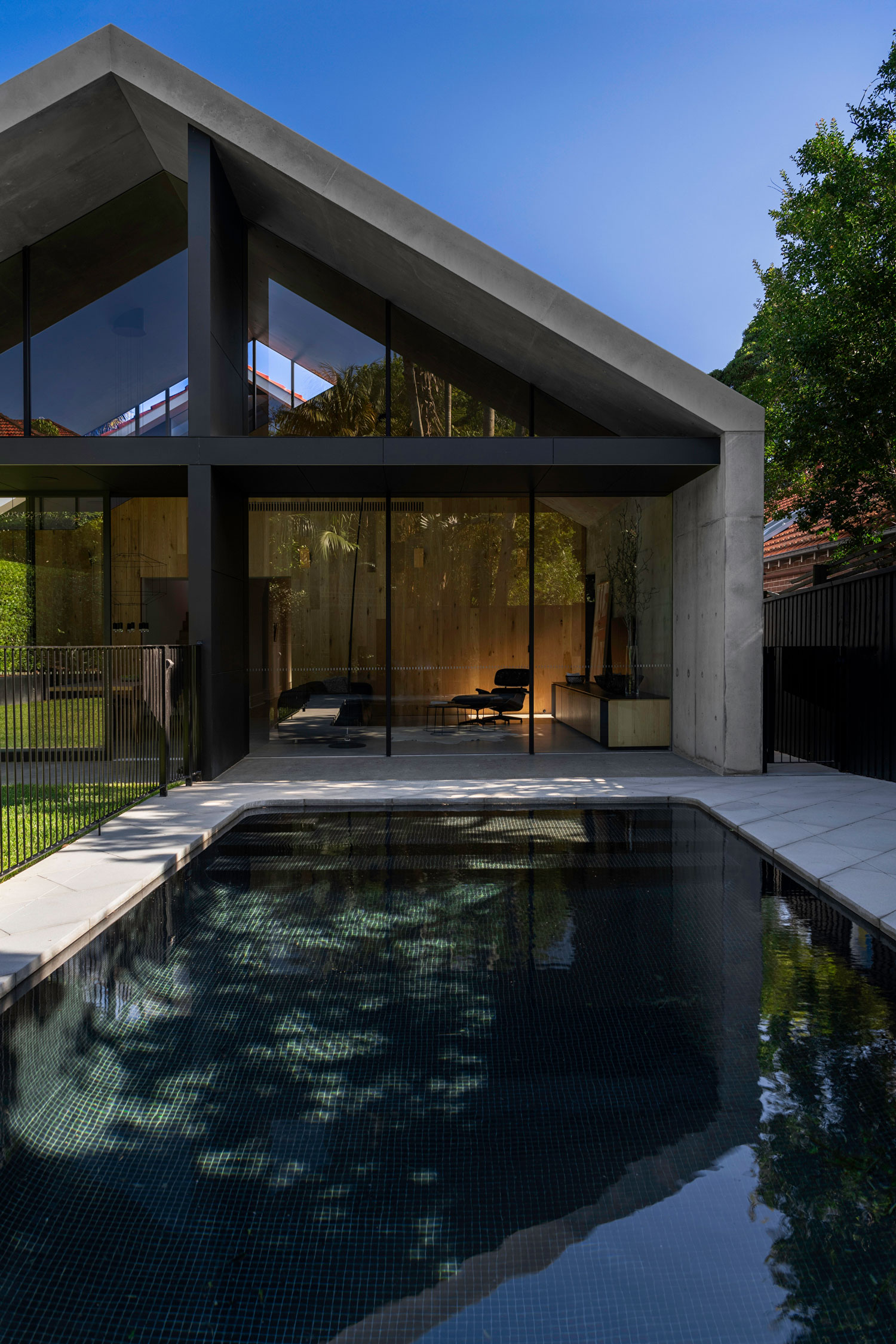
The addition to the rear, similar to the vein running through most of Austin Maynard Architect’s work, is defined by a sense of joviality and not taking itself too seriously. The form of the connecting volume mimics the traditional house and pitched roof silhouette, making a comment on the ability of so many densely populated cities to co-exist in such slender vertical volumes. The shapes also reference and encourage the dialogue with street artists. The exterior is clad in red cedar timber, with the internal spiral stair by Enzie. The internal space then sees warmth through the Victorian ash and spotted gum veneer.

Image 35@2x
. Although Globally There Are Numerous Successful Examples Of High Density, Sky High Living, The Australian Mentality Does Still Seem To Nee
250327 Aus Rr Digitalbanners 1000x1400
Through An Analysis Of Patterns Of Australian Residential Typologies And Increased Density
The form of the connecting volume mimics the traditional house and pitched roof silhouette.
Traditionally, Inner (or Near) City Dwelling Involved A Compromise Of Outdoor Space, In Place Of Proximity To Amenity And A Richer, More Div
This house shows how the existing urban fabric can be retaining and rejuvenated.
250327 Aus Rr Digitalbanners 1000x1400
The Converse Trade Off Is That Suburbia Offered The Opportunity For People To Expand Their Horizons (in Some Cases Literally) Through Larger
Image 35@2x
Image 35@2x

HOUSE House attempts to dismantle the traditional mould of residential high-density living through its new proposal of vertical connection. Successfully displaying how rethinking the expected and patterned response to growing population and increased pressure on land value, Austin Maynard Architects ask the wider public to perhaps rethink how we all could change the way we live. This house shows how the existing urban fabric can be retained and rejuvenated and proposes how, through an evolved lens, the future of high-density living in our Australian cities could unfold.

Firstly, It Connects The Two Terrace Homes (both Owned By The Same Family) Vertically
Secondly, It Opens Up Access Between The Two Properties, As A Consequence Doubling The Outdoor Area Available To Both
250327 Aus Rr Digitalbanners 1000x1400
In An Increasingly Dense, And Financially Constraining Economy, The Answer Does Seem To Lie In Verticality
Image 35@2x
Image 35@2x
Through Literally Connecting The Two Properties And Sharing Its Outdoor Space And Responding To The Australian Architectural Aversion To Ver
Completed In 2012, The Principles Behind House House Remain Very Much Prevalent And Worthy Of Further Discussion
250327 Aus Rr Digitalbanners 1000x1400
The Addition To The Rear, Similar To The Vein Running Through Most Of Austin Maynard Architect’s Work, Is Defined By A Sense Of Joviality An
Image 35@2x
Image 35@2x